


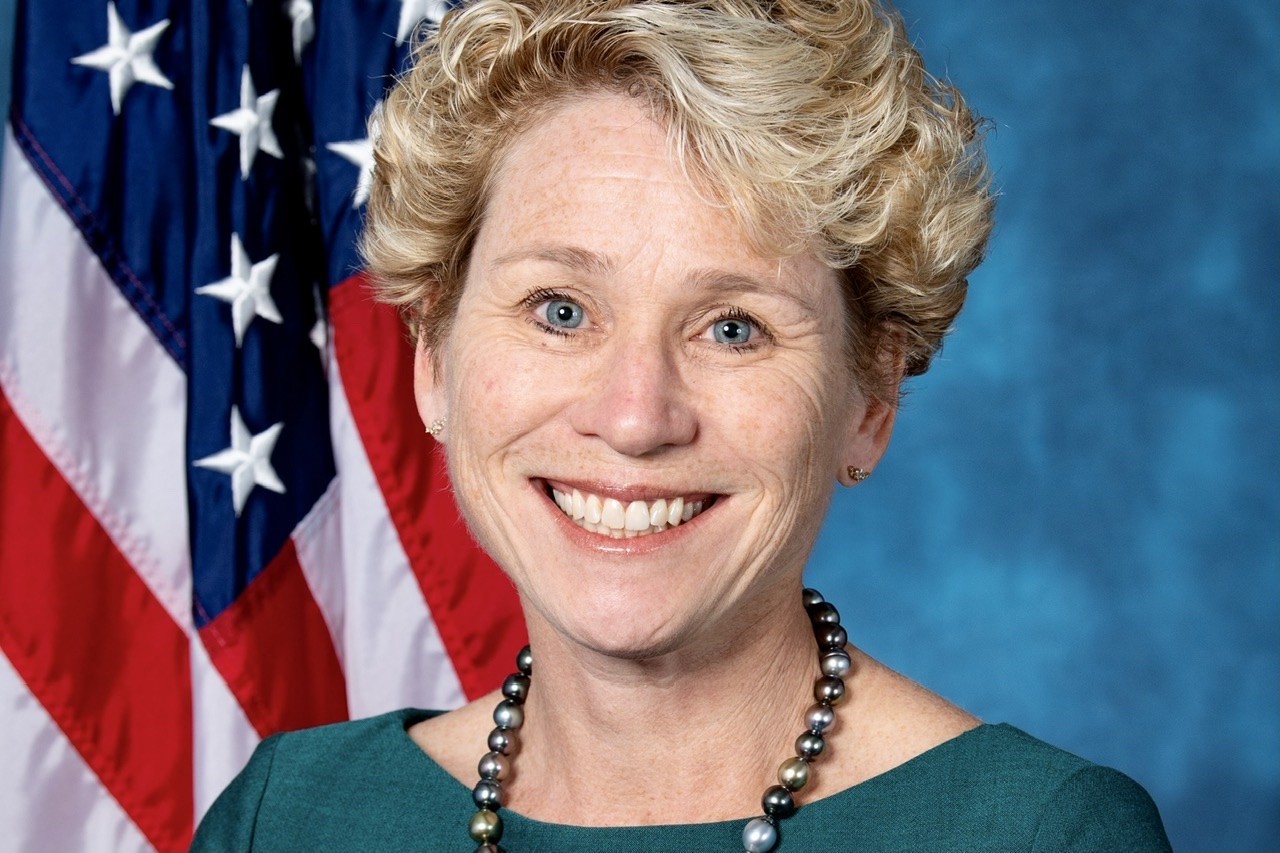
Tuesday, on the third anniversary of the deadly explosion at the R.M. Palmer Company chocolate factory in West Reading, Pennsylvania, Representative Chrissy Houlahan (D-PA) led nine bipartisan Pennsylvania colleagues in introducing the Preventing Future Vintage Plastic Pipeline Tragedies Act. The Preventing Future Vintage Plastic Pipeline Tragedies Act legislation will help to prevent future pipeline accidents caused by hazardous legacy plastic piping including Aldyl A—the material linked to the 2023 West Reading explosion. Original cosponsors include Representatives Dan Meuser, Madeleine Dean, Mike Kelly, Mary Gay Scanlon, Ryan Mackenzie, Chris Deluzio, Brendan Boyle, Brian Fitzpatrick, Dwight Evans, and GT Thompson.
“Three years ago, our community lost seven beloved neighbors and friends in West Reading,” said Representative Chrissy Houlahan. “We cannot undo that tragedy, but we can, and must, ensure it never happens again. This legislation follows the National Transportation Safety Board’s recommendations, requiring operators to identify and address dangerous legacy piping to increase accountability, protect public safety, and prevent future loss of life.”
The 2023 explosion in West Reading, Pennsylvania killed seven workers, injured eleven, and displaced families, marking one of the deadliest pipeline accidents in recent U.S. history. The National Transportation Safety Board’s (NTSB) final report found that widespread historic plastic piping and incomplete records meant operators could not reliably identify vulnerable Aldyl A assets, preventing proper mitigation. The Board also emphasized that Aldyl A’s documented failure history, combined with the severity of the West Reading explosion, presents an ongoing safety risk.
NTSB recommended that the Pipeline and Hazardous Safety Materials Administration (PHMSA) require operators to inventory plastic assets exposed to elevated temperatures, continue identifying them during maintenance and construction, and mitigate risks that could lead to degradation. Aldyl A has a long-documented history of “poor performance relative to brittle-like cracking” including numerous PHMSA warnings about the material dating back to 1999. Despite these repeated advisories, no federal regulations currently address legacy plastic piping failures through removal, maintenance, or replacement.
Over the past two decades, other Aldyl A-related incidents have caused significant harm. In November 2024, a home explosion in South Jordan, UT killed a 15-year-old child and displaced families. Earlier incidents include explosions in Cupertino and Roseville, CA in 2011, which prompted PG&E to commit to replace 1,200 miles of the material, and a 1996 explosion in San Juan, PR, which killed 33 people and injured 69 others. These tragedies underscore the longstanding and ongoing risks posed by legacy Aldyl A piping across the country.
The Preventing Future Vintage Plastic Pipeline Tragedies Act implements the NTSB’s recommendations to address safety concerns by requiring:
- Proper Inventory and Reporting: Ensures pipeline operators identify Aldyl-A components and report total mileage to PHMSA within three years.
- Safety and Integrity Program Updates: Requires state programs certified by PHMSA and operators’ integrity management programs to account for pipelines made of older plastics with known safety issues, ensuring risks are considered in monitoring, maintenance, and future repair or replacement efforts.
View the bill text and the one pager.
