


This story was produced by the Berks County bureau of Spotlight PA, an independent, nonpartisan newsroom. Sign up for Good Day, Berks, a daily dose of essential local stories at spotlightpa.org/newsletters/gooddayberks.
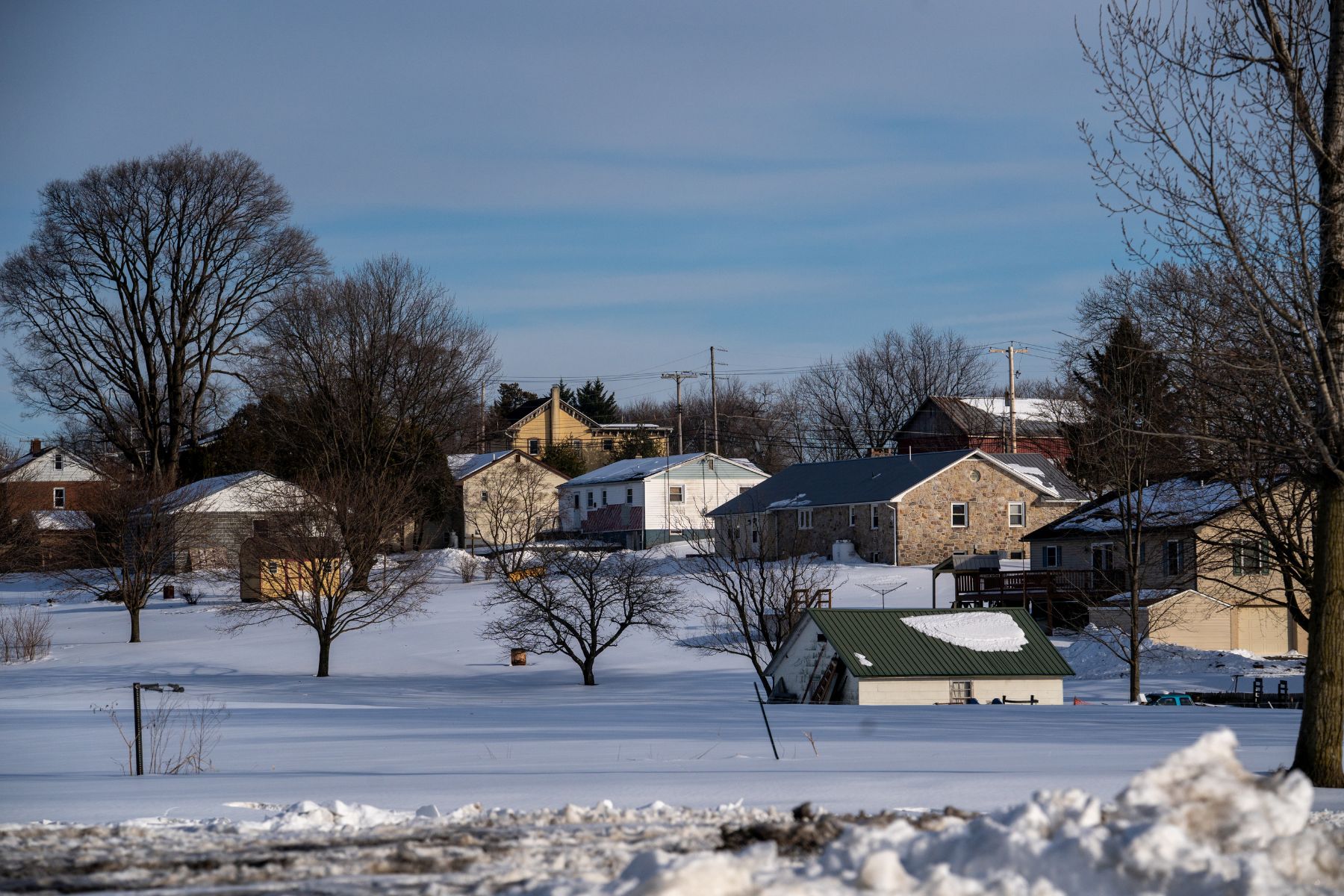
UPPER BERN — Not enough clean water. Hundreds of thousands of gallons of sewage dumped into systems designed to handle much less. More calls for already overwhelmed EMS departments.
Pennsylvania leaders, municipal officials, and first responders say communities will be overwhelmed by the federal government’s plans to turn vacant warehouses in Berks and Schuylkill Counties into massive ICE detention centers and processing facilities.
A recently released memo from the Department of Homeland Security says it selected sites based on engineering reviews and found a warehouse-to-detention center conversion would have “no detrimental effect.”
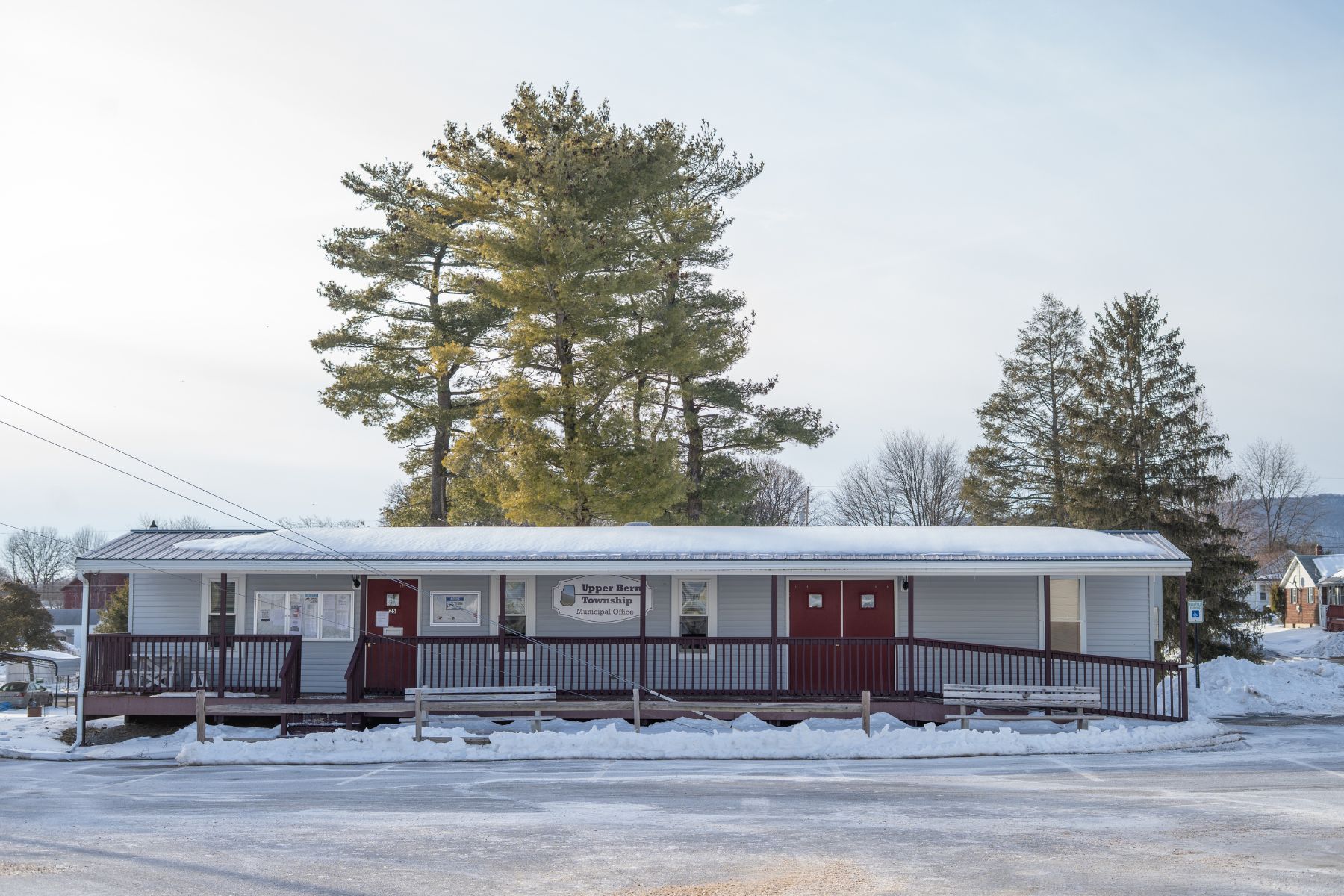
But state officials and Upper Bern Township leaders — who were blindsided by the Feb. 2 purchase and are still largely operating in the dark — are pointing to facts about capacity and raising serious concerns about how these plans would play out.
Commonwealth leaders in emergency management, environmental protection, health, and labor cosigned a Feb. 12 letter to Homeland Security Secretary Kristi Noem asking that the department not “impose such intolerable burdens on residents of Schuylkill and Berks counties.”
“If reporting about DHS’s plans is accurate, the facilities will violate the legal requirements applicable to public drinking water, sewage, and water pollution,” the state officials wrote.
They continued: “The stress each facility will place on local infrastructure will, among other things, jeopardize Pennsylvanians’ access to safe water, deplete resources and infrastructure needed for emergencies, and overextend already strained emergency response personnel.”
The federal government has provided few specifics on the impacts ICE’s plans could have on these rural communities. A meeting among federal, state, and local officials has yet to materialize.
Upper Bern Township’s Board of Supervisors, who have spoken publicly through solicitor Andrew Hoffman, said in a prepared statement on Feb. 12 that ICE’s plans at the vacant warehouse would “more than double” Upper Bern’s population.
Its wastewater treatment plant could be overwhelmed by a 1,500-bed facility, and supervisors wonder what extracting “potable water from wells for those 1,500 or more people” could do to the water supply.
Here’s what we know about the potential impact on the community:
Sewage
When the Department of Environmental Protection (DEP) signed off on the plan to build the Hamburg Logistics Center several years ago, documents show the agency approved the warehouse to produce 8,000 gallons of sewage daily.
If it’s used as an ICE processing center and holds up to 1,500 people, that number would skyrocket to more than 100,00 gallons per day, officials said in their letter to Noem.
Upper Bern’s “maximum monthly flow from serving its current customers is 131,000 gallons per day,” they continued. And its treatment plant is designed to only treat up to 155,000 gallons daily.
Upper Bern renewed its wastewater permit with DEP in January 2024, indicating that the township was not modifying or adding onto the system. The average monthly flow reported during that renewal was 78,000 gallons per day.
Township sewer engineer John Roche said no one has submitted a formal request to change the use or increase sewer capacity at the warehouse.
“If the use changes, we’d have to look at that on an individual basis,” Roche told Spotlight PA after a supervisors’ meeting on Feb. 12. “We haven’t had any new requests yet.”
Neither Roche nor Upper Bern’s solicitor was available for comment for this story.
The former Big Lots warehouse in Schuylkill County, which ICE wants to turn into a detention center for 7,500 people, has a system approved to discharge even less than the one in Upper Bern — no more than 6,000 gallons per day, according to the letter. The system is also connected to the treatment facility by a 2-inch diameter pipe, which state officials told Noem isn’t suitable for a detention center.
Drinking water
Neither warehouse was designed to provide the amount of potable water that would be needed to run these detention centers, state officials warn, and finding alternatives would be all but impossible.
Upper Bern officials said the township has no public water system. Homes and businesses rely on wells for potable water.
In the letter to Noem, state officials wrote that the vacant warehouse is designed to draw water from an on-site water well. DEP previously approved the construction of such a system, “because it could provide treated water for use by a limited number of employees engaged in warehouse activities based on three anticipated separate shifts in a 24-hour period.”
However, the agency hasn’t approved the operation of the system. What’s more, it’s not designed to provide drinking water 24 hours a day for some 1,500 people, they wrote.
During an April 2025 inspection, DEP officials also found several deficiencies that suggest the drinking water system “was not constructed in accordance with the approved designs.”
The Tremont Township warehouse is even more strained, the letter said. While it is serviced by the Schuylkill County Municipal Authority’s public water system, that system already struggles to provide adequate services to the community.
State officials estimate a 7,500-bed facility would need up to 800,000 gallons of safe water per day, which is nearly all of the available 1 million gallons stored for the Tremont area. The plant is permitted to only treat 330,000 gallons daily by the Susquehanna River Basin Commission.
That not only threatens access to safe drinking water, but could also “lead to calamity in the event of an emergency,” state department heads warned. For example, the same water supply is used for fighting fires, and the current systems may not have the supply or the water pressure needed to extinguish a blaze.
Emergency services
Communities across Pennsylvania are already experiencing an EMS crisis. Adding high-density facilities to the rural communities of Upper Bern and Tremont Townships — populations 1,600 and 300, respectively — will exacerbate those problems, local first responders told Spotlight PA.
Ambulance companies statewide have folded or adjusted coverage areas to stay solvent, increasing response times. In recent years, Berks County municipalities have implemented EMS taxes or struck agreements with ambulance companies to help pay for services, but they remain underfunded.
Hamburg EMS has served Upper Bern Township for years, Chief Leslie Herring told Spotlight PA. While there are still many unknowns, she said first responders worry about how the ICE processing facility would impact their call volumes and response times.
“We’re just concerned because it’s not only going to affect us, it’s going to affect every other neighboring squad in the county,” Herring said. “We’re worried about what it’s going to do to all the surrounding municipalities and boroughs.”
Berks County officials declined to discuss the impact on emergency services. Emergency Services Director Brian Gottschall referred a Spotlight PA reporter to county spokesperson Jonathan Heintzman. Heintzman later declined to comment after consulting with the county commissioners and solicitor.
Scott Krater, director of Schuylkill County’s 911 center, is responsible for dispatching EMS, police, and fire personnel throughout the county, and noted the challenges these sectors already have. He said attracting 911 call operators is difficult.
Schuylkill County already has three prisons — run by the county, state, and federal governments — but none house the number of people anticipated for the empty warehouse. The county prison typically incarcerates fewer than 300 people, and both the federal and state prisons have about 1,200 inmates each.
“Those normal challenges that we have here would obviously be the same, or maybe more taxing on the telecommunicators that are working currently with the increase in call volume,” Krater told Spotlight PA.
Western Berks Ambulance Association provides mutual aid for Upper Bern Township and is the second in line to respond to emergencies, CEO Anthony Tucci said.
Tucci reached out to other EMS companies and DHS to learn more and better prepare, but said he hasn’t heard back. He estimates an ICE facility could add an additional 60 to 70 EMS calls a month.
“I think it’s going to be a huge impact on our community,” Tucci said.
Fire departments operate on a similar system of mutual aid and could also experience an increase in emergency calls, state leaders wrote in their letter to Noem.
While Tremont is serviced by five fire departments, Upper Bern is protected by just one: Shartlesville Fire Company, which is staffed by volunteers. It’s unclear how many calls the department averages monthly. Calls and emails to the fire company were not returned.
DHS has also failed to engage with area hospitals that would serve the ICE facilities, the Pennsylvania agency leaders said in their letter, which they called disconcerting. Hospitals need to plan for disasters, such as a fire at these buildings, that would cause an influx in patients.
“Area hospitals may not have the capacity to prepare for these emergency events without support and the lack of communication from federal officials raises serious concerns,” the state leaders wrote.
Reading Hospital and Penn State Health St. Joseph in Berks County did not immediately respond to Spotlight PA’s questions, nor did St. Luke’s Hospital or Lehigh Valley Hospital in Schuylkill County.
The Hospital and Healthsystem Association of Pennsylvania, which represents more than 235 providers across the state, was unable to say whether DHS has contacted local hospitals.
“Hospitals continuously update their plans — especially when there is a major change in the community — to ensure they are prepared to respond to emergencies and address their communities’ needs,” the association said in an emailed response to Spotlight PA questions. “Strong collaboration with local leaders, state and federal agencies, and other stakeholders is an important part of this process.”
Public safety
Neighbors have questioned how the proposed processing center would affect public safety.
Chelsey and Zach Kramer, who live in a mobile home community across the road from the warehouse, came to Upper Bern Township’s Board of Supervisors meeting on Feb. 12 to oppose ICE’s purchase of the warehouse.
They said they are worried about guns and security presence at the site, road closures, and not being able to access their home.
“Are we going to have to be showing ID to get home? Are they going to be blocking off our roads?” Chelsey Kramer told Spotlight PA.
The Kramers said they also worry about how a detention facility could impact recreational and family-friendly spaces near their home.
“When they were looking at these facilities, who at DHS looked at the campground and the mobile home community and the game lands and public trails and everything, and the community park right here, and said: ‘Let’s put one right there,’” Zach Kramer said. “The campground is going to go under for one, because who’s going to want to go vacationing near a detention facility? I know most of my neighbors are upset about this.”
The Upper Bern Township doesn’t have its own police department, and State Police are responsible for coverage. Cars already back up at the major thoroughfares near Mountain Road during shift changes at nearby warehouses, local first responders told Spotlight PA.
Some speakers during the Feb. 12 meeting said they are worried about protesters and “agitators” coming to the area, and ensuring that people can exercise their rights to protest.
State Police “remain committed to providing the best law enforcement coverage with the utmost professionalism,” agency spokesperson Ethan Brownback told Spotlight PA in a statement, adding that their dedication to the area “remains unchanged.”
Property taxes
The $87.4 million sale of the Upper Bern warehouse to the federal government takes the sprawling property — located near the Appalachian Trail — off the tax rolls.
Since the warehouse was built and placed on the market, the property has remained vacant while generating about $199,620 annually in county property taxes, $31,229 in township taxes, and $597,110 for the Hamburg Area School District.
The township did not respond to Spotlight PA’s questions about how that revenue loss would affect the community’s annual budget.
“They’re losing $600,000 a year on school property taxes, and that’s important,” county Commissioner Dante Santoni Jr. said during a Feb. 11 town hall. “The most important thing is what it does to our communities, and we’ve seen what it’s done around this country. It tears us apart, it pits people against each other, and creates chaos.”
– Spotlight PA’s Gabriela Martínez contributed to this report.
BEFORE YOU GO… If you learned something from this article, pay it forward and contribute to Spotlight PA at spotlightpa.org/donate. Spotlight PA is funded by foundations and readers like you who are committed to accountability journalism that gets results.
