


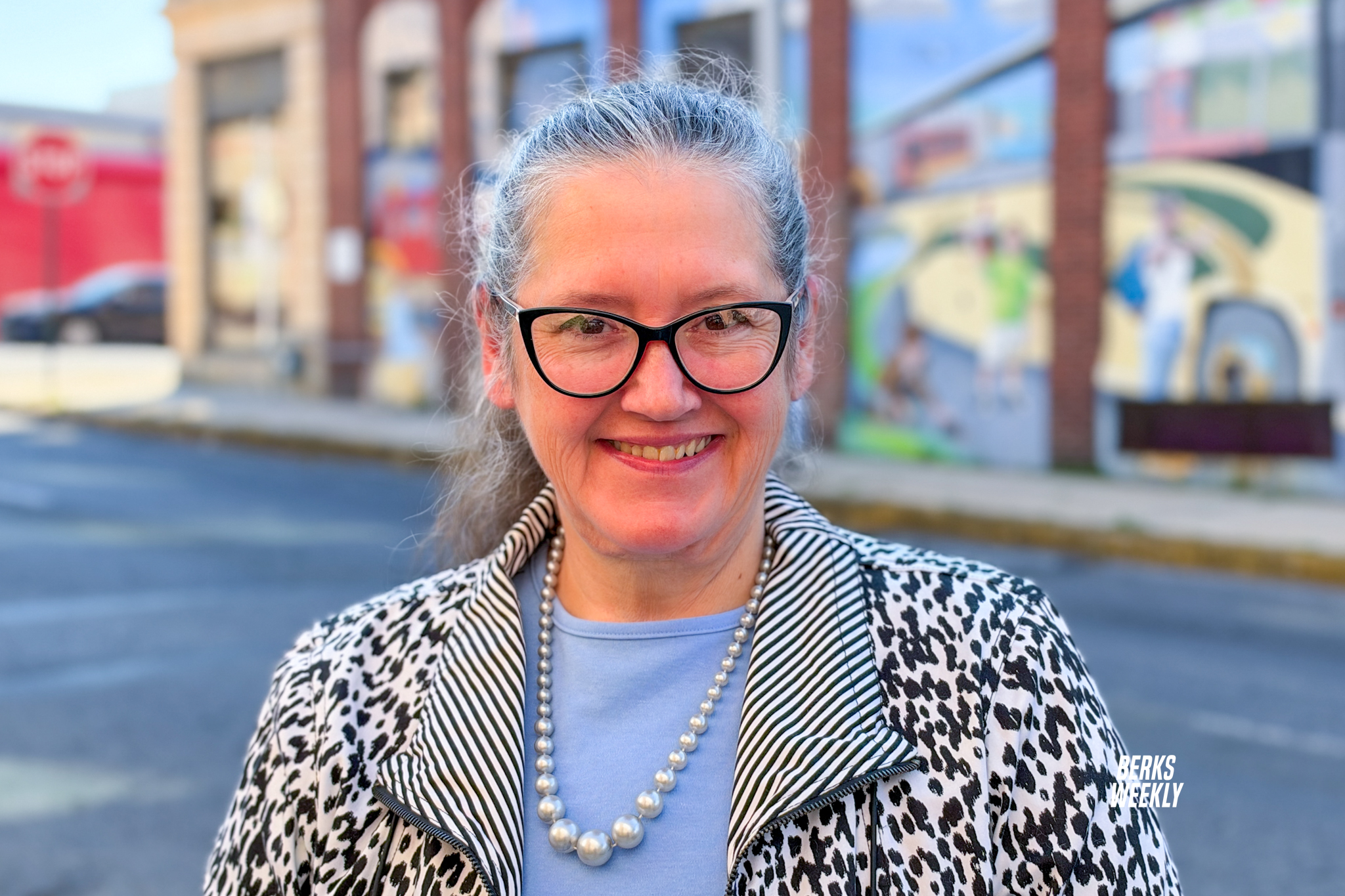
For Pam Gockley, changing a young person’s behavior often begins with something surprisingly simple: listening.
During a recent conversation with a student in detention, Gockley asked about his behavior and the challenges he was facing. What began as a discussion about discipline quickly revealed a young person struggling with circumstances far beyond the classroom. By asking questions rather than immediately judging his actions, she was able to identify a need for additional support.
The student was eventually connected with resources at his school. Before leaving, he returned to give her a hug.
“That’s why I do this. That’s why I do it,” Gockley recalled.
It’s an experience that captures the philosophy behind The Camel Project, a Berks County-based nonprofit organization Gockley founded in 2018 to help schools, families, workplaces, and communities address bullying, trauma, and other harmful behaviors.
Gockley, the organization’s founder and executive director, believes lasting change requires more than disciplining students after an incident. It requires understanding why behaviors occur, recognizing warning signs, and creating environments where people feel safe enough to communicate their struggles.
“We do not believe you can change the behavior of the students unless you change the environment they’re in,” she said during a recent podcast with Berks Weekly.
From frustration to a mission
Gockley established The Camel Project following the school shootings in Parkland, Florida, and Santa Fe, Texas, in 2018. Troubled by the continued violence in schools, she began focusing on bullying prevention and the role that behavior, trauma, and school environments can play in students’ lives.
Rather than concentrating exclusively on students, her organization works with the adults responsible for creating and maintaining those environments.
Gockley argues that children frequently learn behaviors from the people around them, whether at home, in school, or in the broader community. She believes adults must examine their own actions and responses before expecting young people to behave differently.
She also challenges the idea that bullying is simply a normal part of growing up.
In her work with schools, Gockley has encountered situations where a student experiencing bullying is moved to another classroom or otherwise separated from the problem. While separation may provide immediate relief, she believes it can leave the underlying behavior unaddressed.
Instead, she advocates for approaches that hold students accountable while helping them understand the harm they have caused and develop healthier responses.
“It’s a behavior. It’s not the person’s identity,” she explained, emphasizing that labeling a child as a bully can reinforce the very behavior adults are trying to change.
Listening before reacting
Much of Gockley’s work involves spending time directly with students, including those who have been disciplined, are struggling academically, or are experiencing conflicts with their peers.
In another example, she recalled meeting a student who regularly skipped a class. Rather than accepting the behavior as simple defiance, she asked why he was avoiding it.
The student explained that he struggled to learn through the computer-based instruction being used in the classroom. With his permission, Gockley shared the concern with the school’s principal.
For Gockley, the interaction demonstrated how behavior that initially appears disruptive can sometimes be a student’s attempt to communicate an unmet need.
She believes adults must learn to recognize those signals instead of responding only to the disruption.
Her approach does not eliminate consequences or expectations. Instead, she emphasizes de-escalation, accountability, and helping students identify other ways to respond when they become frustrated or overwhelmed.
“Kids want boundaries. They want supportive adults,” she said.
According to Gockley, The Camel Project has conducted more than 4,000 student check-ins over the past two years. She said 85% of participating students reported that the program was helpful.
When she asked what students found most valuable, one response stood out.
“Number one was they listened to me,” she said.
That feedback has reinforced her belief that students need trusted adults who will take their concerns seriously, particularly when they are struggling to explain their feelings or experiences.
Changing the approach in schools
The Camel Project provides bullying prevention and trauma-informed training designed to help educators, school administrators, parents, and other community members identify problematic behaviors and respond consistently.
The organization offers professional development training approved for Pennsylvania Act 48 and Act 55 requirements, according to Gockley.
Its framework is built around four steps: discover, define, develop, and defend. The process encourages participants to recognize harmful behaviors, establish clear expectations and prevention policies, put those strategies into practice, and continually evaluate what is working.
The organization also works directly with students through lunch intervention programs, detention-related support, and peer leadership initiatives.
Gockley believes consistency is especially important. When students receive different responses from different adults, she said, it becomes more difficult for them to understand expectations and develop trust.
She acknowledges that teachers face considerable challenges, including burnout, limited support, and competing expectations from administrators, parents, and students.
For that reason, her goal is not simply to introduce another program into a school. She wants to help educators build sustainable practices that can continue after her organization is no longer regularly involved.
The Camel Project uses a train-the-trainer approach, equipping people within schools and organizations to carry the work forward.
Gockley also brings an unconventional background to her nonprofit leadership. Before founding The Camel Project, she spent approximately 30 years working in technology and was involved in launching multiple startup businesses.
She has also authored six books, including ‘Middle School Students Are Sneaky: They’re Just Not That Good‘, drawing on her experiences and observations of young people.
Finding joy in the mission
Although much of her work involves difficult subjects, Gockley believes opportunities for creativity, laughter, and community connection are equally important.
That philosophy is reflected in The Camel Project’s Chalk and Bubble Festival, an event designed to bring people together through simple, creative activities.
Gockley sees chalk drawings and bubbles as more than entertainment. She believes they provide opportunities for children and adults to reconnect with curiosity and creativity, particularly when stress or negative experiences have affected their daily lives.
The event also reflects her personality and willingness to bring humor into an otherwise serious conversation.
Whether speaking with students, training educators, or organizing community activities, Gockley returns to the same principle: people need to feel supported, respected, and connected.
A challenge to Berks County
While schools remain a major focus, The Camel Project also works with workplaces, community organizations, after-school programs, and professionals involved in the juvenile justice system.
Gockley said the organization has provided training to a variety of groups in Berks County, including juvenile probation officers, and has helped families advocate for students experiencing bullying.
She hopes the organization can expand its impact by teaching communities to recognize problems earlier and take responsibility for creating healthier environments.
Ultimately, Gockley does not want The Camel Project to become a permanent presence in every school or organization it serves. She wants those communities to develop the knowledge, confidence, and commitment to continue the work themselves.
For a nonprofit that began out of frustration with violence, the mission has developed into something broader: helping people understand one another and respond differently when challenges arise.
“There are things we can do. There are resolutions. This can be addressed. We just need the will to do it,” she said.
“That’s my challenge to Berks County and beyond. Somebody has to take it on. Somebody has to be the champion.”
